

From Seedlings to Full Growth
Full-spectrum lighting for indoor plants, seed starting, hydroponics, grow tents, and professional growing setups across different growth stages.
Filtri
11 prodotti

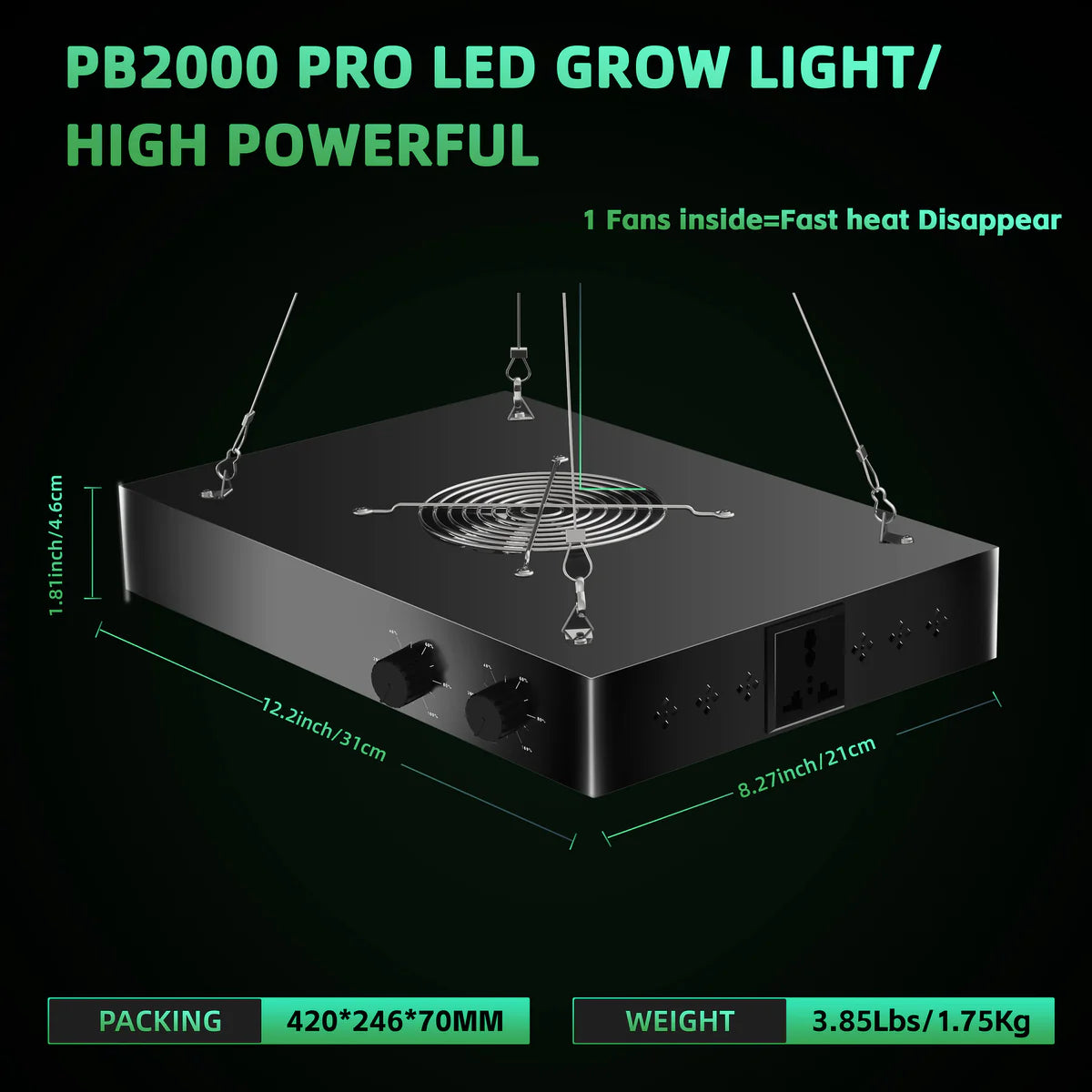
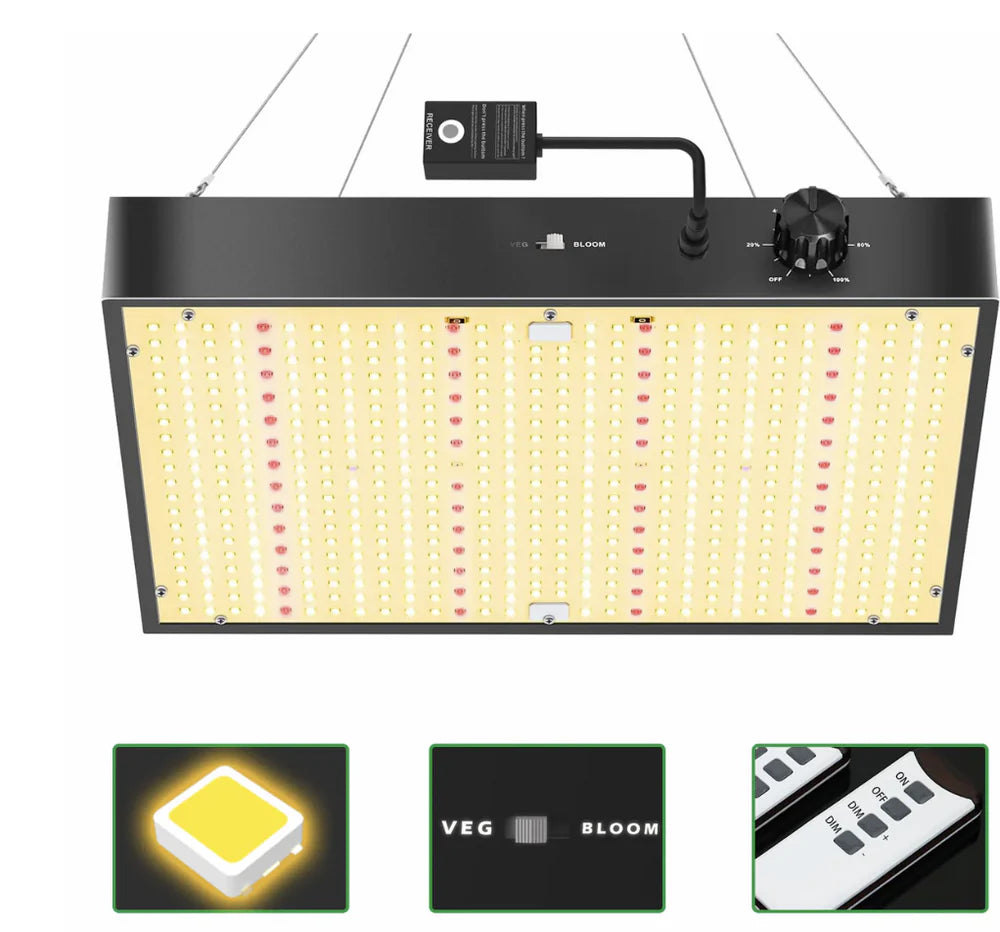
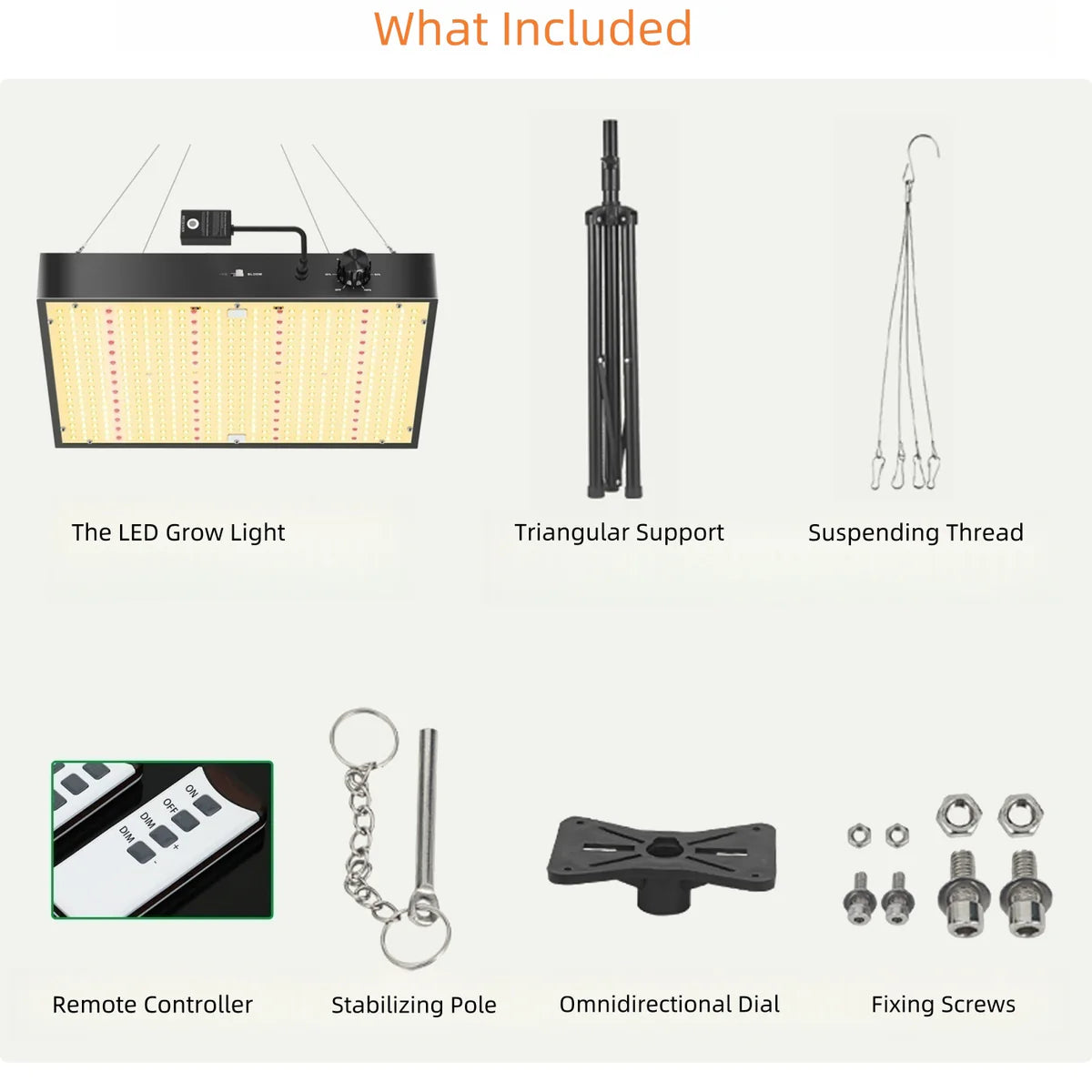
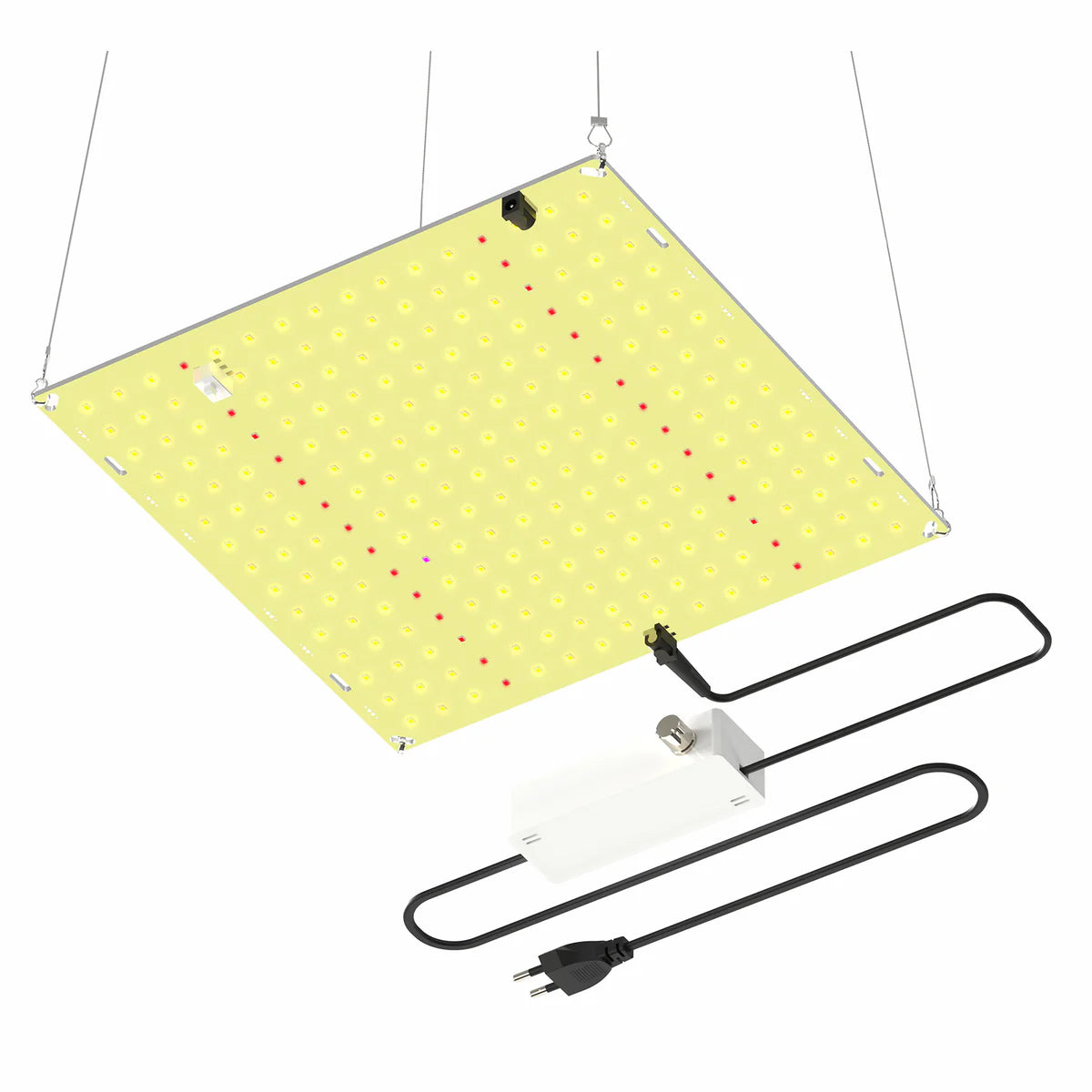
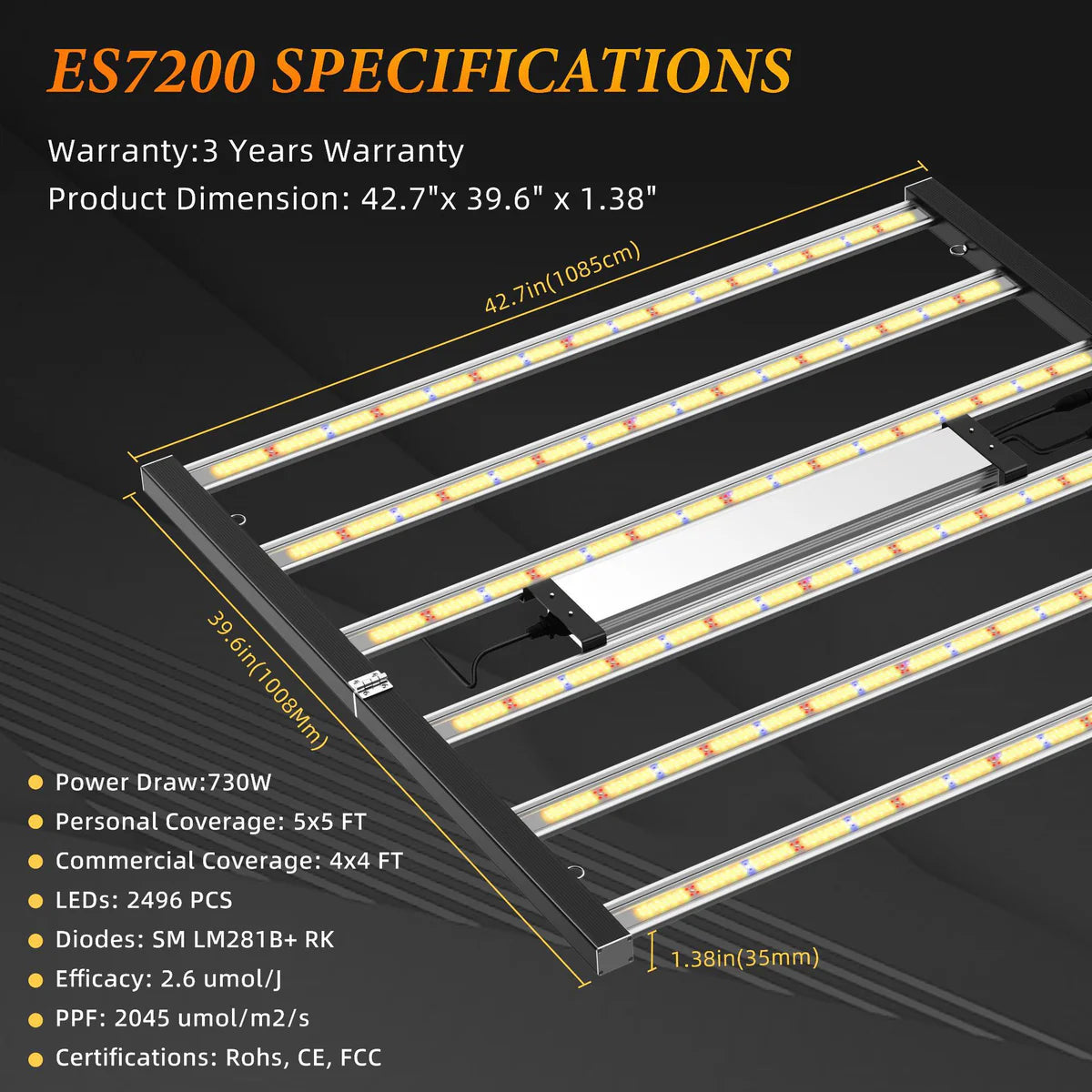
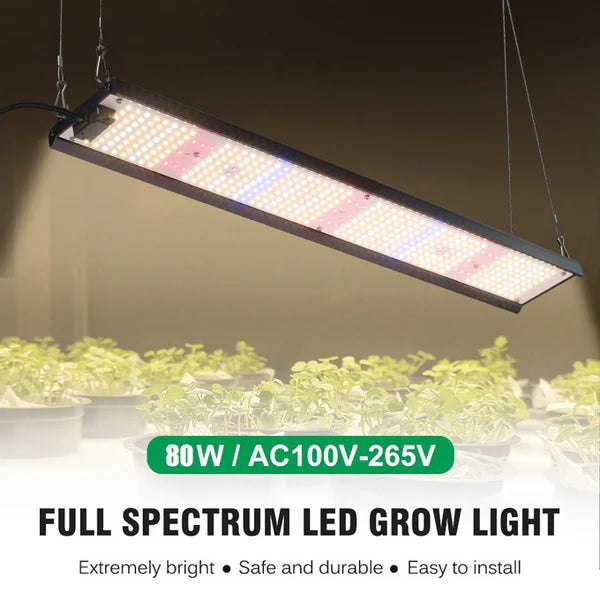
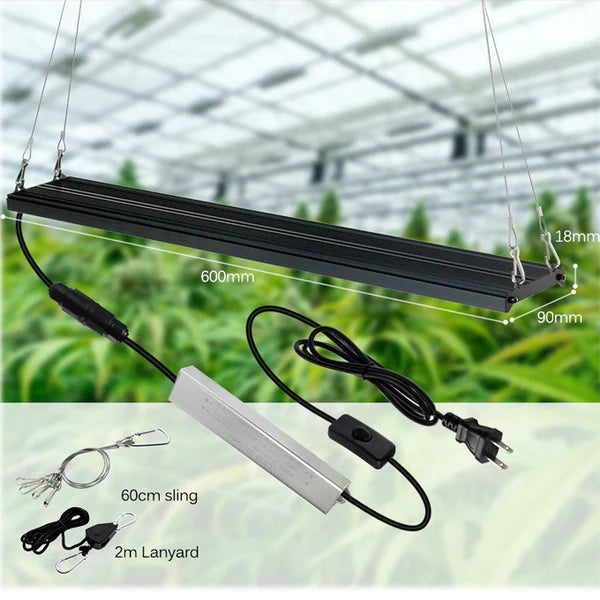
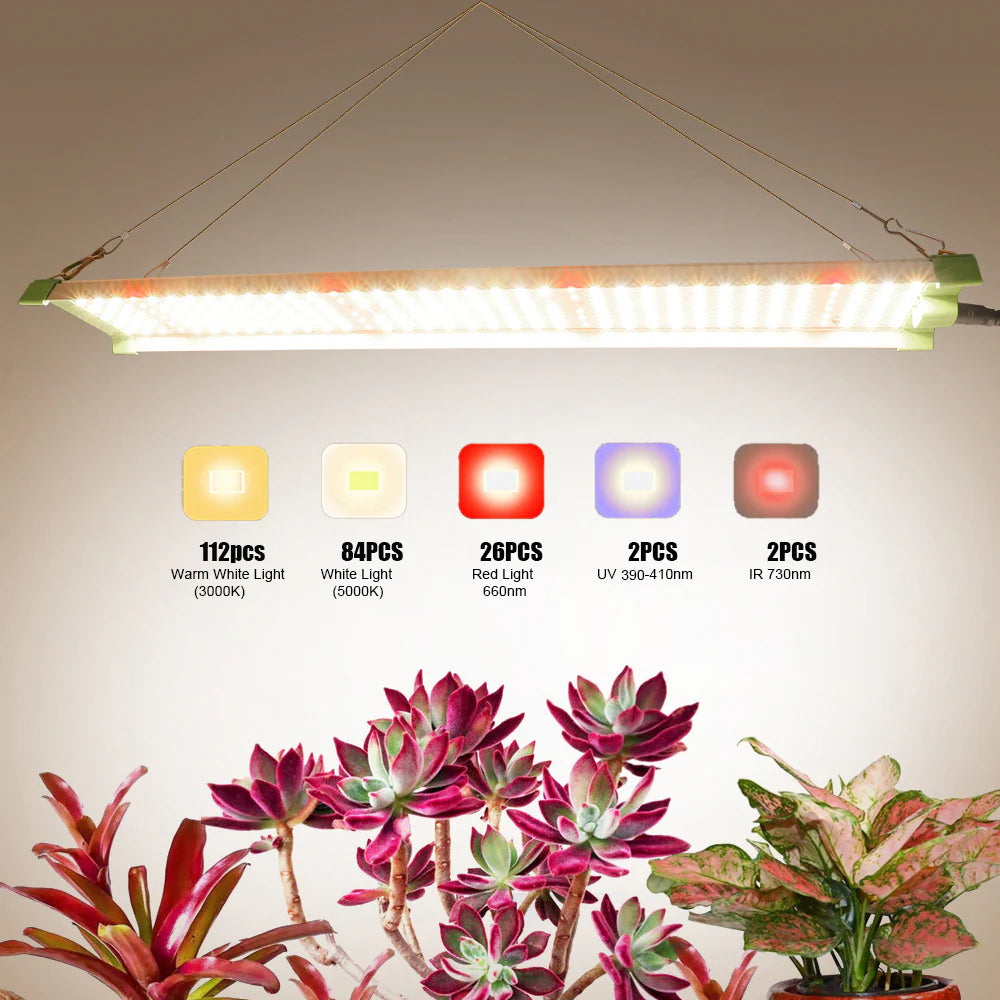
See It in Action
Real unboxings and product videos from our customers and the LightingWill team. See what’s in the box and get a closer look before you buy.
Shipping & Delivery
Most in-stock orders ship from our warehouse within 3–5 business days.
Grow Lights for Every Stage & Space

Full-Spectrum Plant Lighting
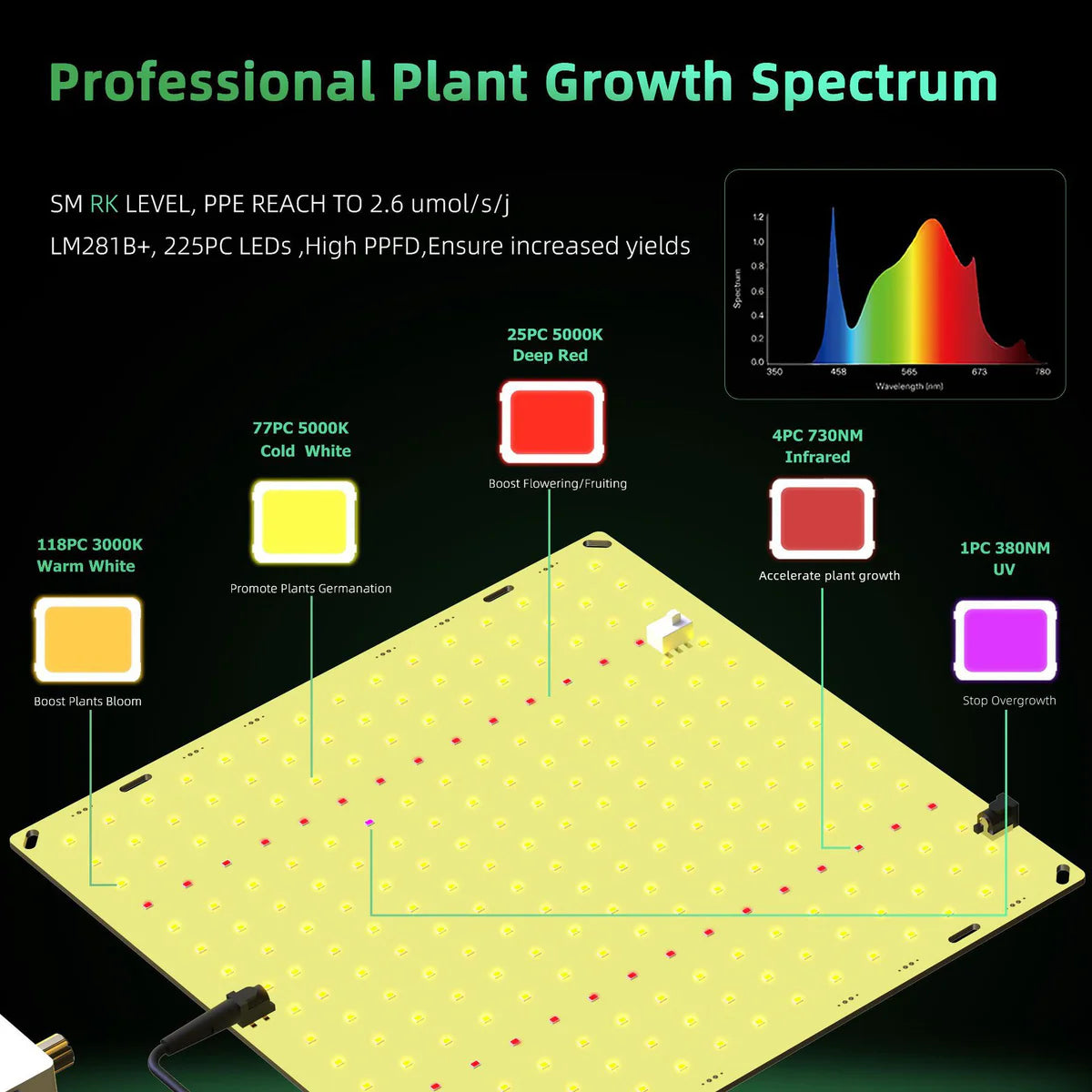
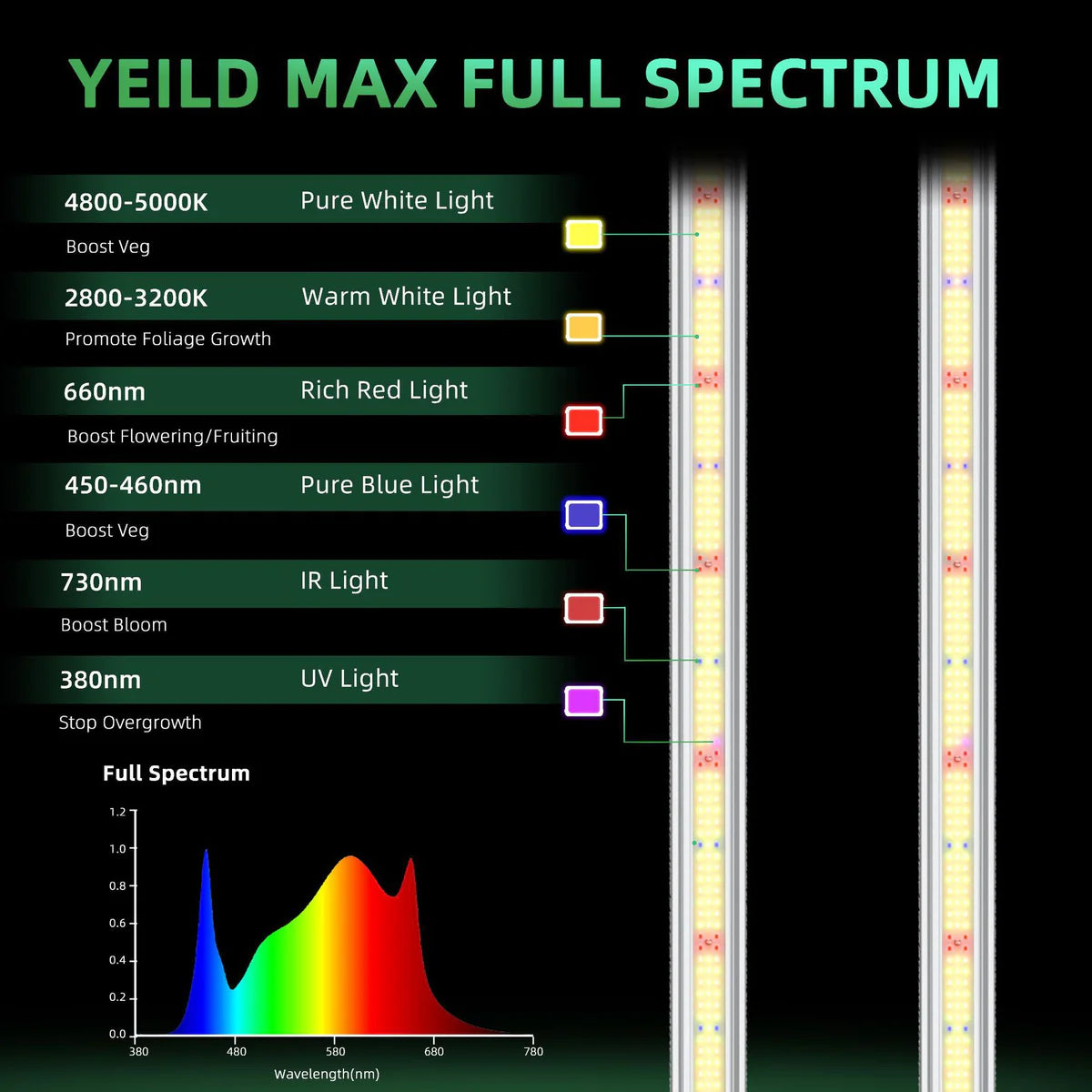
Full-spectrum options combine white, red and selected blue, far-red or UV wavelengths for a wide range of indoor growing setups.

From Seedlings to Bloom
Choose lights for seed starting, vegetative growth and flowering, from compact starter trays to professional grow fixtures.

Multiple Sizes & Power Levels
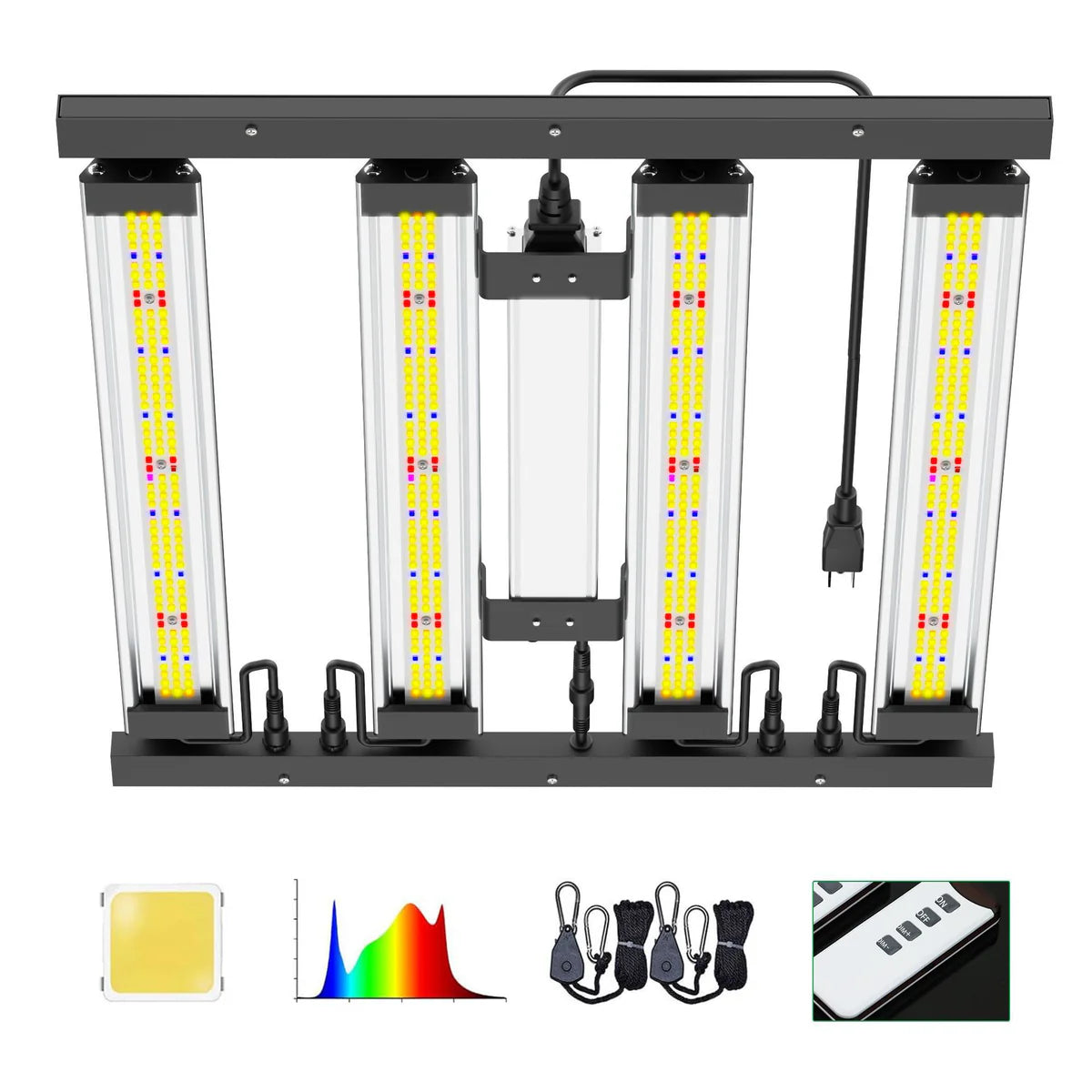
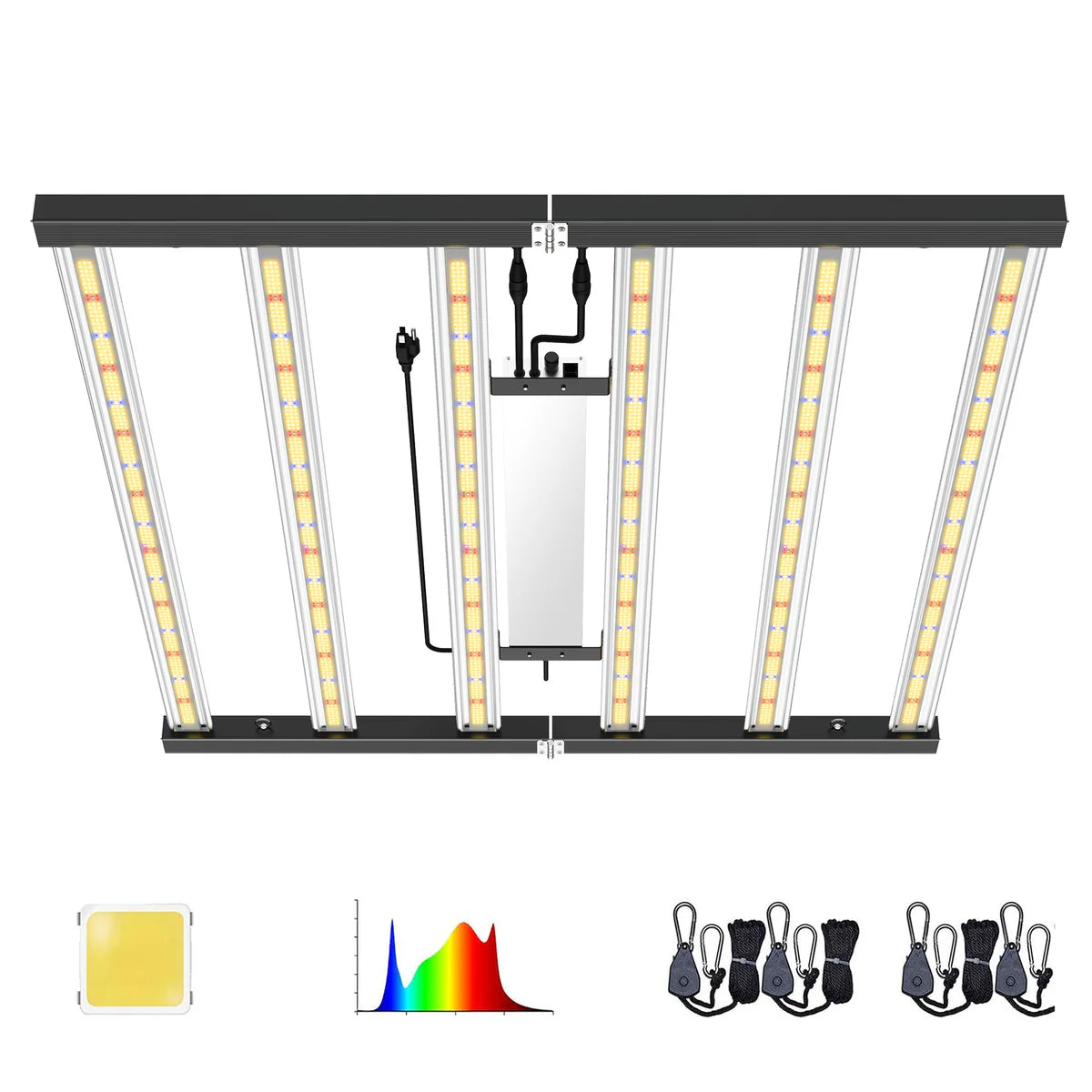
From small plant lamps to high-output panels and foldable fixtures, the series covers different plant areas, shelves, tents and grow rooms.

Adjustable Light Controls
Selected models include dimming, timers, VEG & Bloom modes, remote control or 0–10V control for more flexible daily light management.

Flexible Installation Styles
Available designs include stake, desktop, shelf, hanging, tube, panel, detachable and foldable formats for different growing spaces.

Home & Commercial Growing Use
Suitable for houseplants, seedlings, hydroponics, grow tents, greenhouses and larger indoor cultivation setups.

Questions, projects & expert answers
Explore real customer questions, application ideas and answers from our team.

Featured discussion · Application case
Started my spring seedlings indoors this year instead of using the windowsill
A small seed-starting setup for early spring
Answered by LightingWill
Customer question
Do I really need a grow panel for just one houseplant?
A smaller option for a single indoor plant
Application case
The 2ft tube lights worked better for my plant shelves than one big panel
Lighting several narrow shelves separately
Buying guide
GP, GP-PRO or GP-Plus — what’s the practical difference for a home grow tent?
Choosing between three professional series
Official answer

September 21, 2024
Answered by LightingWill
What should you check before choosing an LED grow light?
Start with your growing area, not just wattage

September 21, 2024
No discussions in this category yet.

Application case
Lighting Specialist
Started my spring seedlings indoors this year instead of using the windowsill
I usually start a few tomatoes and herbs on the kitchen windowsill, but our house doesn’t get much direct sun this time of year.
This year I set up a seed tray on a spare table instead. What I liked most was having the light directly over the tray instead of constantly moving seedlings closer to the window.
The timer has also been useful because I don’t have to remember to turn it on every morning.
My setup is pretty basic and I’m not trying to grow anything large under it — just getting seedlings started before they move outside.
Answered by LightingWill
Lighting Specialist
Thanks for sharing your setup.
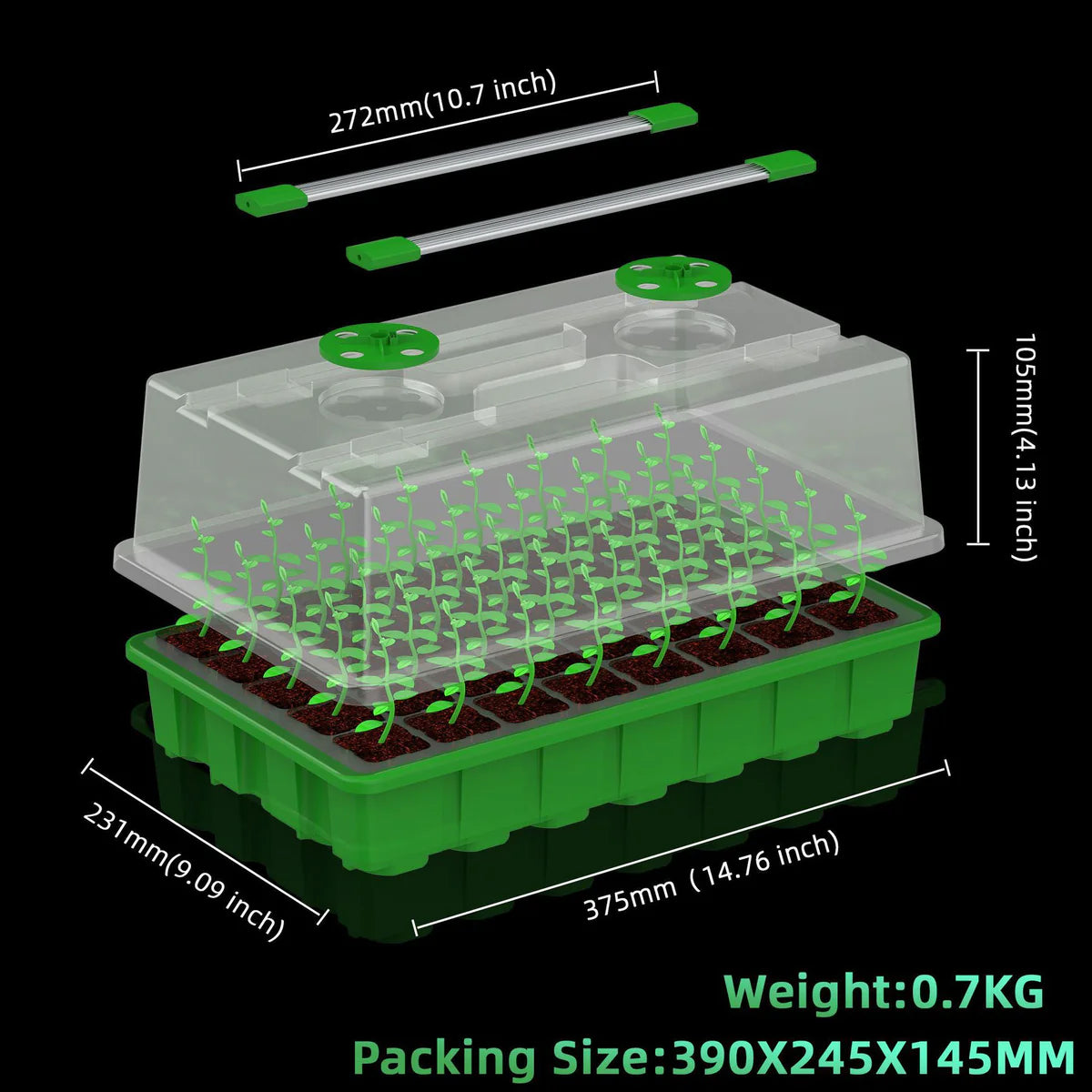
The current Seed Starter Tray combines a 40-cell tray with integrated grow lighting, adjustable brightness and a timer, and is powered by USB. It’s intended specifically for starting seedlings and small indoor plants.
For seed starting, keep an eye on plant response and adjust the light height and brightness as the seedlings grow rather than assuming one setting works for every plant.

Customer question
Lighting specialist
Do I really need a grow panel for just one houseplant?
I have one fairly large plant in the corner of my apartment that never gets much window light.
Most grow lights I see are panels meant for shelves or tents, which seems like overkill for one pot.
Would the small halo-style light make more sense if I only want something I can leave next to the plant without turning the room into a grow setup?
Answered by LightingWill
Lighting specialist
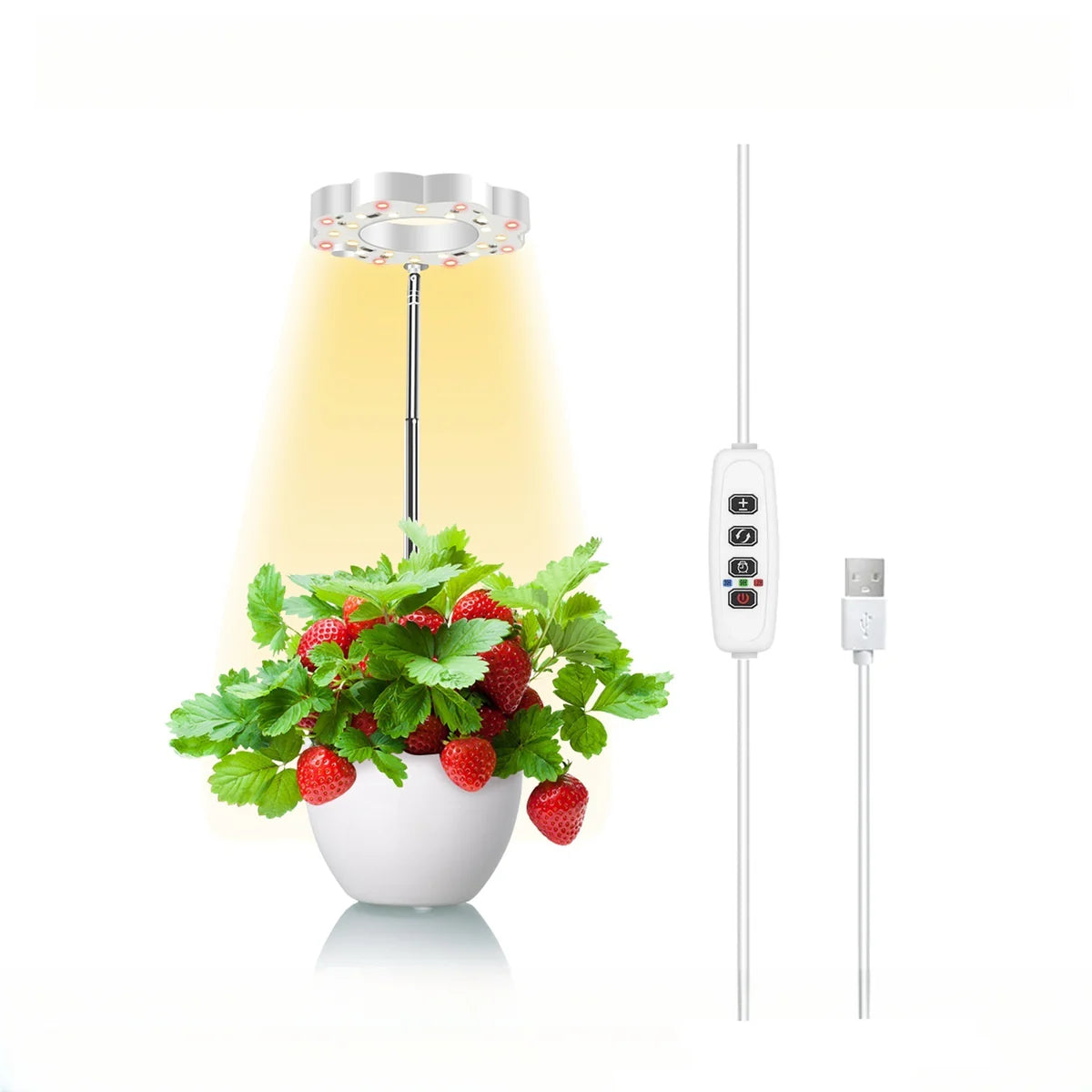
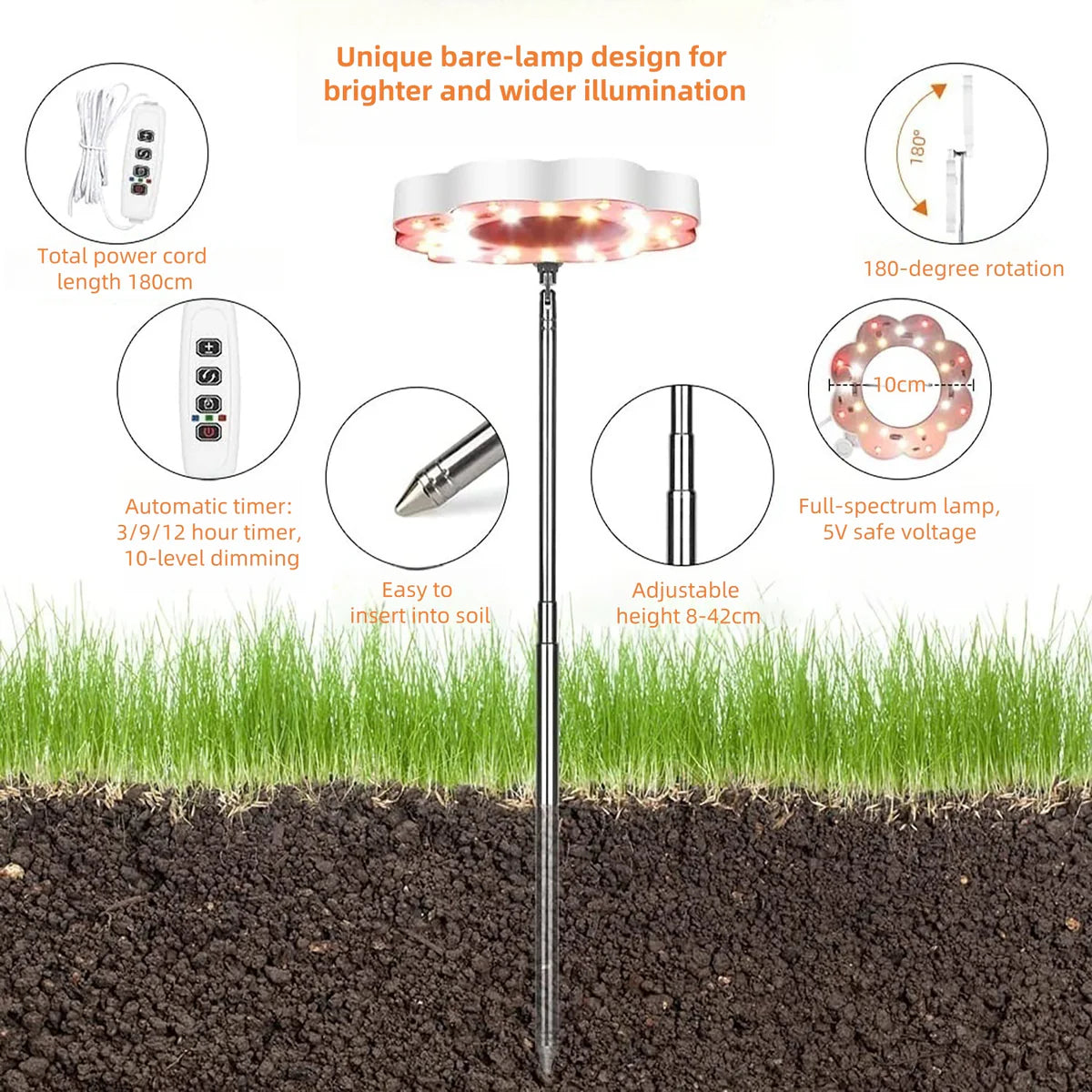
For one potted plant, the compact halo-style light is usually the more practical format.
The current LightingWill potted-plant model uses 5V USB power, includes an automatic timer, dimmable brightness and adjustable height, and can be used with a stake or desk base.
A larger panel becomes more useful when you need to cover several plants or a wider growing area.

Application case
Lighting specialist
The 2ft tube lights worked better for my plant shelves than one big panel
I have a metal rack with three fairly narrow shelves and originally thought about hanging one bigger grow panel above the whole thing.
That didn’t really make sense once I measured everything.
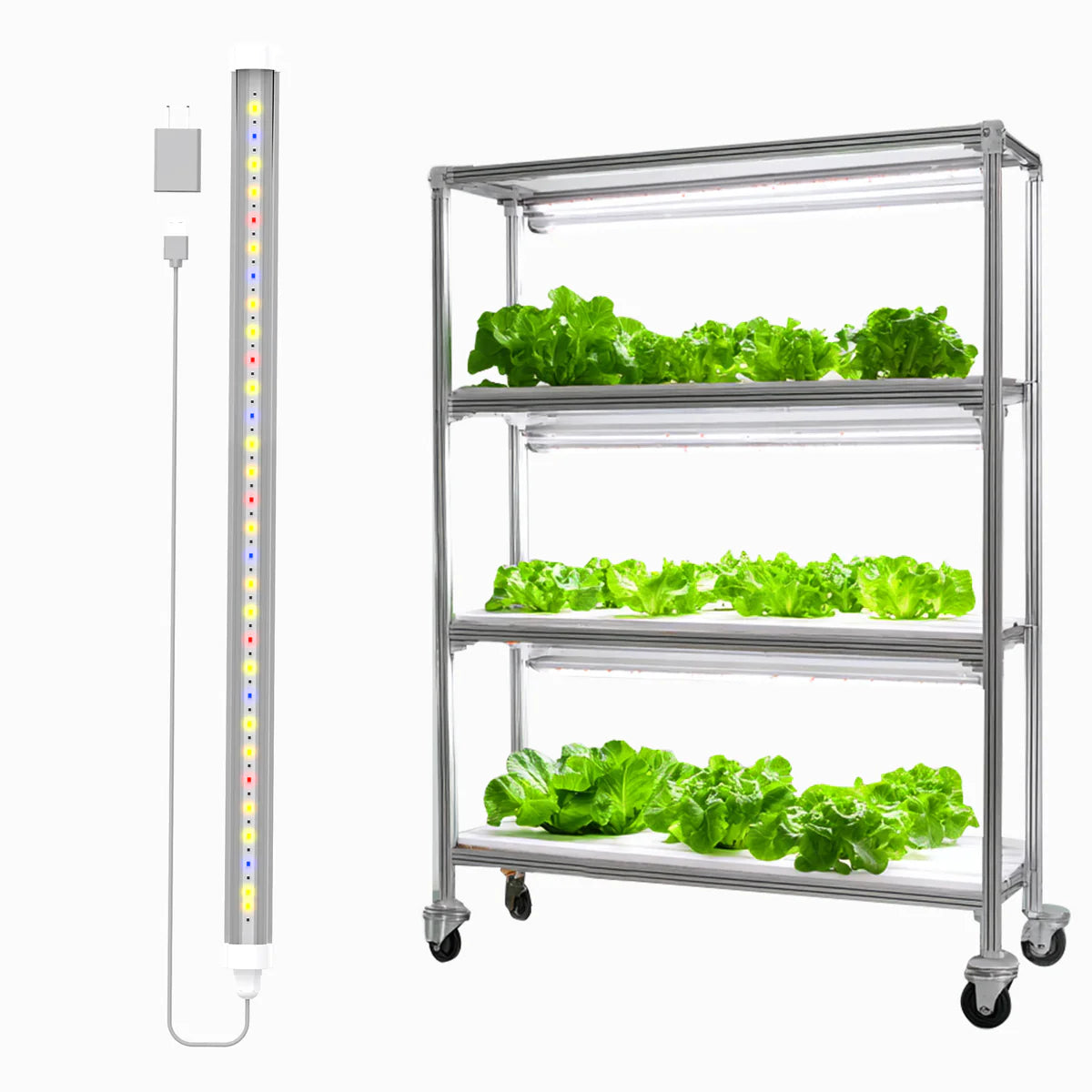
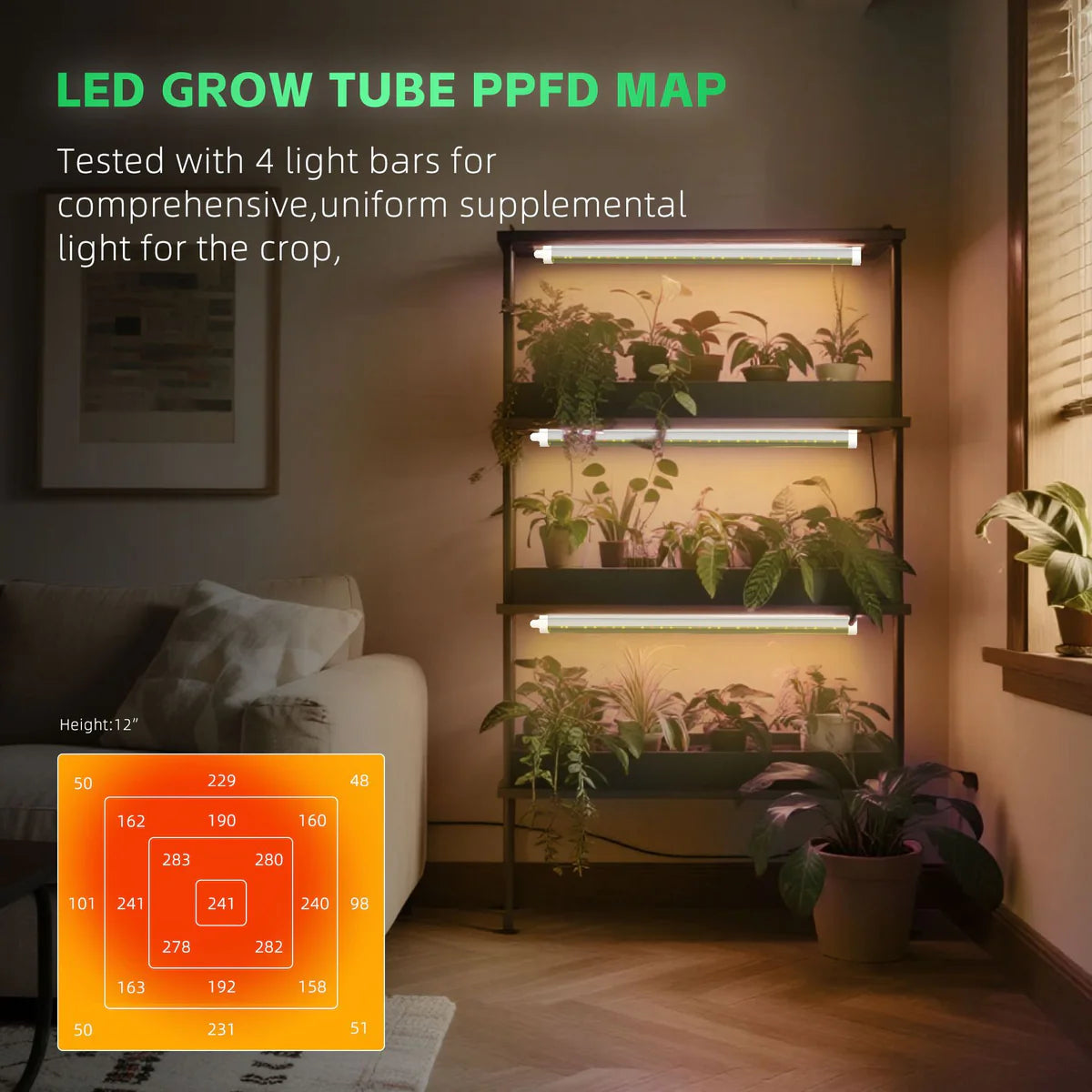
The 2ft tube lights were easier because I could put the light where each shelf actually needed it. I used two tubes on the wider shelf and fewer on the smaller ones.
The only part that took some time was routing the cables neatly along the rack. Once that was done, the setup looked much cleaner than I expected.
Answered by LightingWill
Lighting specialist
That’s a good example of where a tube-style grow light is useful.
The current kit includes six 60cm / 2ft tubes with a 65W dimmable power supply, and the lights support daisy chaining and selectable mounting brackets. The spectrum combines 3000K, 5000K, 660nm red and 460nm blue.

Buying guide
Lighting specialist
GP, GP-PRO or GP-Plus — what’s the practical difference for a home grow tent?
I’m putting together my first proper grow tent and I’m a little confused by the GP, GP-PRO and GP-Plus lights.
The wattage options overlap quite a bit, so I’m not sure whether I should just choose based on power or if the controls are actually different between the three series.
I’d rather buy the right version once than pay extra for features I won’t use.
Answered by LightingWill
Lighting specialist
Start with your required coverage and power, then compare the controls.
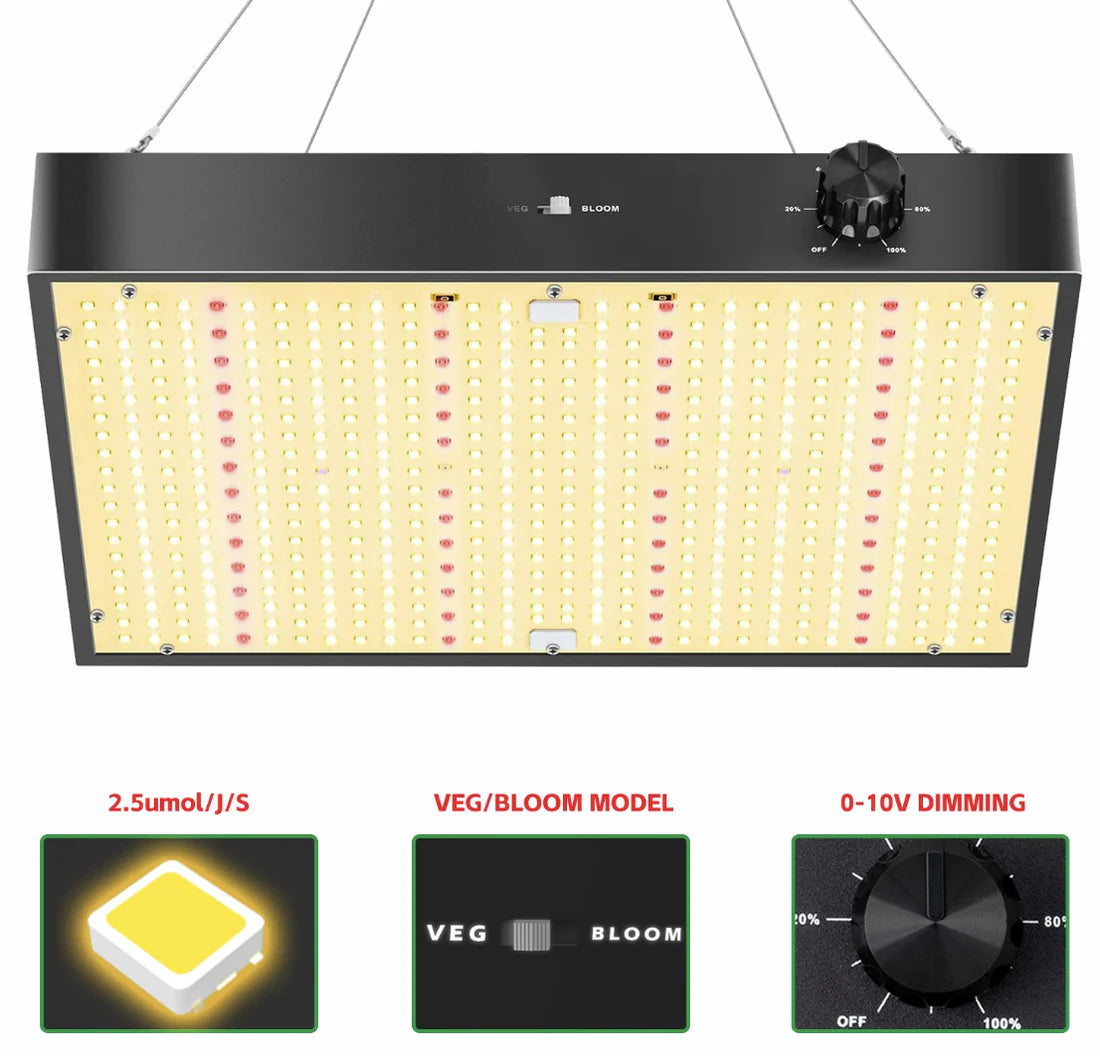
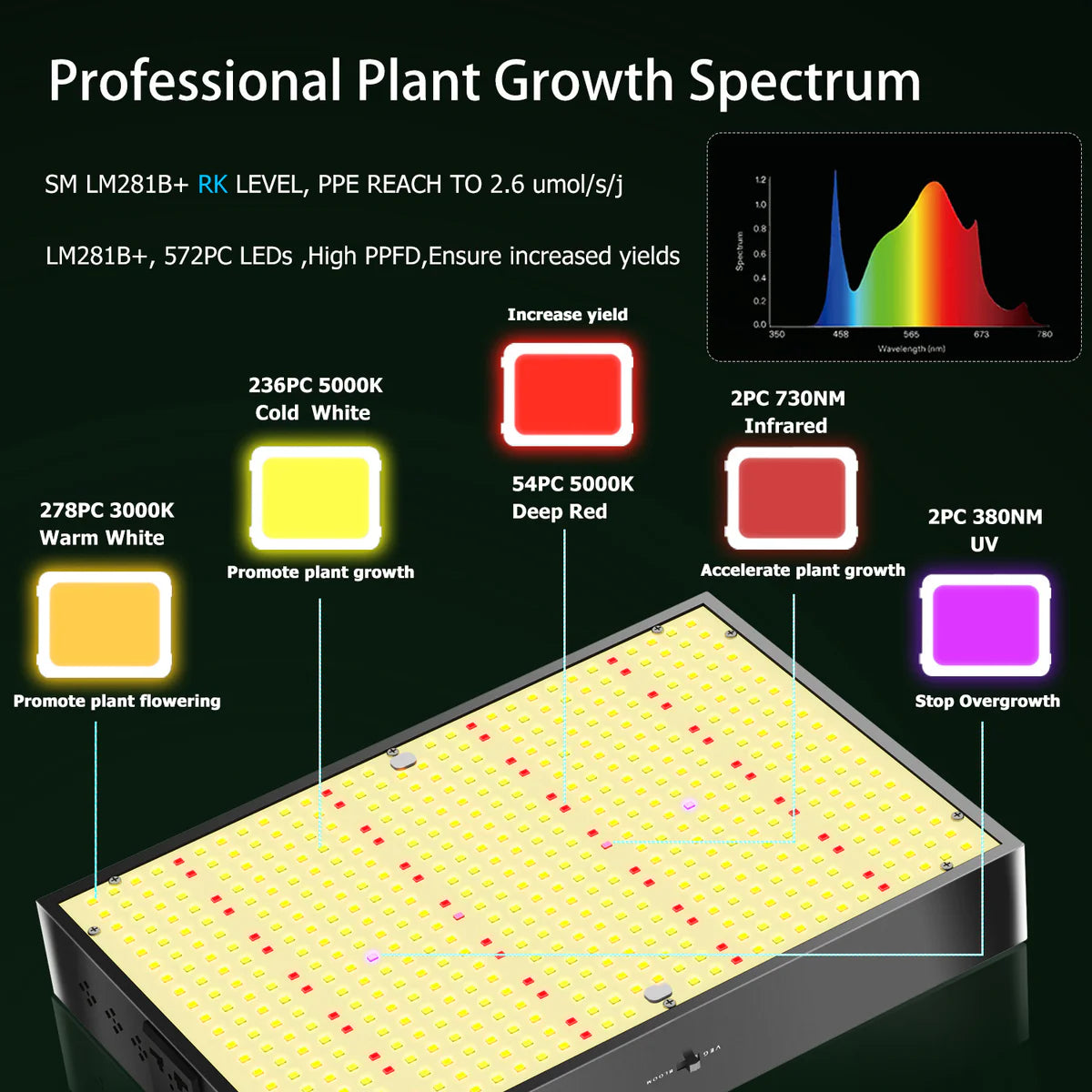
The GP Series offers 100W–400W models, VEG/Bloom dual mode, 0–10V dimming and daisy-chain support.
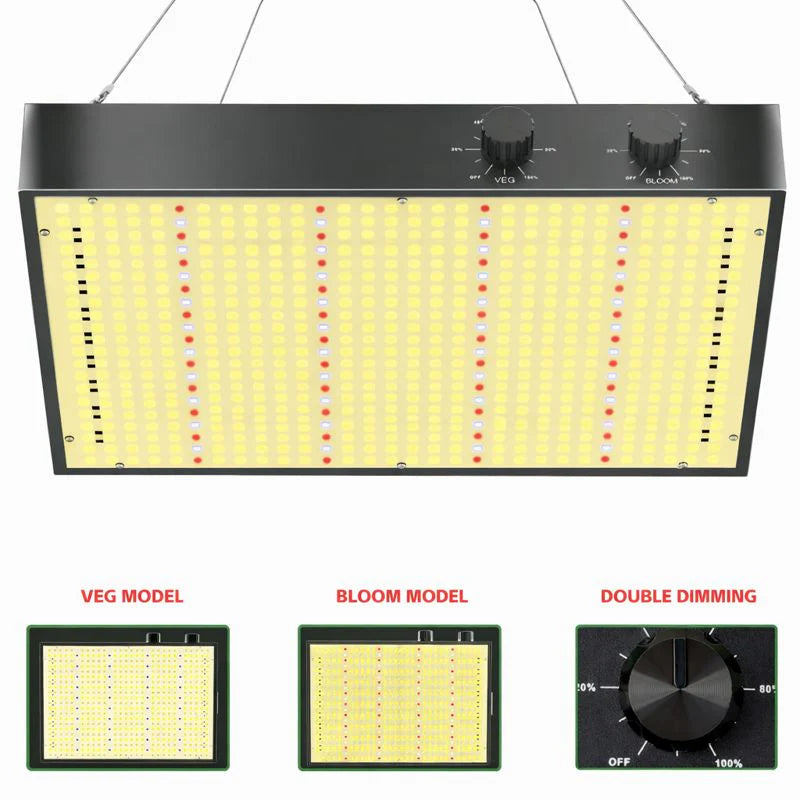
The GP-PRO Series is offered in 100W–200W with separate VEG & BLOOM control.
The GP-Plus Series expands back to 100W–400W and adds remote control alongside 0–10V dimming and daisy-chain capability.
If remote control isn’t important, choose based primarily on your required growing area and preferred control layout.
Official answer
September 21, 2024
Lighting specialist
What should you check before choosing an LED grow light?
September 21, 2024
Grow-light product pages often list wattage, spectrum, coverage, dimming and mounting options at the same time, which can make choosing a fixture harder than it needs to be.
A better approach is to start with the growing area and how the light will actually be installed.
Answered by LightingWill
Lighting specialist
Start with four practical questions:
1. How large is the growing area?
A single potted plant, seed tray, shelf and grow tent require very different fixture sizes.
2. How much vertical space do you have?
Compact halo lamps and ultra-thin quantum boards suit tighter spaces, while larger GP and foldable fixtures need more mounting room.
3. Do you need adjustable output?
Many LightingWill grow lights include dimming, while compact plant lights and seed trays use adjustable brightness controls.
4. Is the installation temporary or permanent?
USB plant lights and trays are easy to move. Tube lights work well on racks. GP, detachable and foldable fixtures are better suited to larger dedicated growing areas.
The current collection ranges from compact USB plant lights to 720W foldable professional fixtures, so choosing by wattage alone can easily lead to the wrong format.
Lighting Stories & Guides
Product demos, buying guides, installation tips, and lighting inspiration for real projects.
